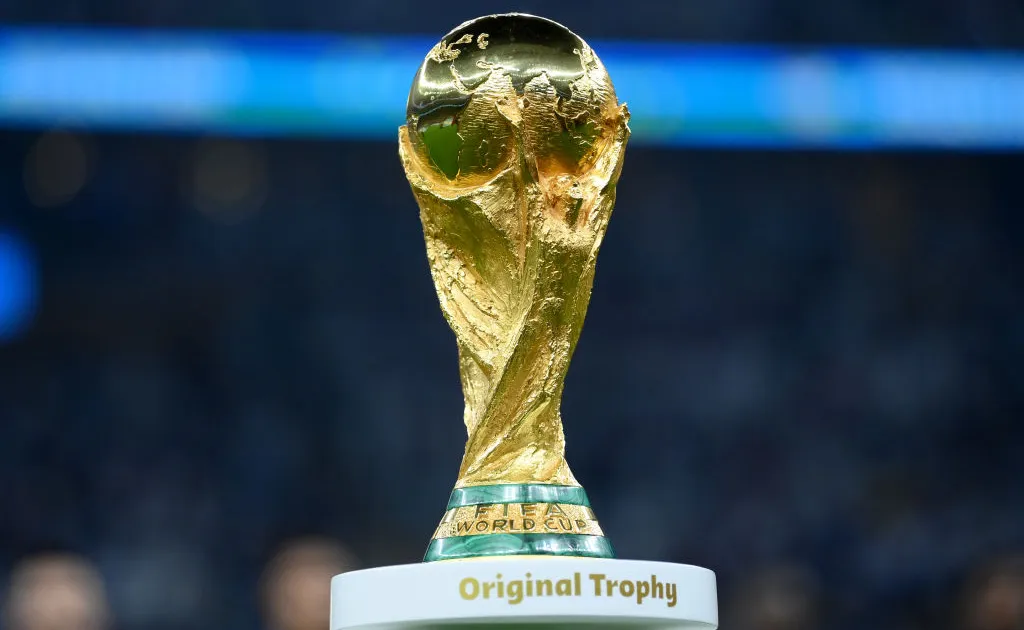
Germany’s government on Wednesday moved to close the door on calls for a boycott of this summer’s football World Cup, insisting sport should remain separate from diplomatic disputes after a tense episode over Greenland eased.
Government stance
At a Berlin press briefing, government spokesman Steffen Meyer dismissed a boycott as “not the right approach,” urging that political disputes be resolved politically and sport left to be sport. The message was echoed by Sports Minister Christiane Schenderlein, who told the Sueddeutsche Zeitung that “sport must not be exploited like this.”
The backdrop
This year’s World Cup, scheduled from June 11 to July 19 across the United States, Canada and Mexico, briefly became entangled in geopolitics after President Donald Trump intensified long-standing talk of annexing Greenland, an autonomous territory of NATO ally Denmark. The episode prompted some German politicians to question whether the national team should still travel to the tournament.
Tensions rose further when the US leader threatened tariffs against eight European countries, including Germany, over their opposition. Those threats were later withdrawn, and Mr. Trump said he would not seize the Arctic island by force, citing a “framework” agreement with NATO leadership to bolster American influence.
From hesitation to clarity
At the height of the dispute, Berlin had been cautious, leaving the decision to the German Football Association. Wednesday’s statements mark a clearer line: the federal government will not back a boycott and prefers diplomatic channels to handle the fallout.
What it means for the World Cup
With the political storm subsiding, Germany appears set to focus on the pitch rather than the podium. The government’s stance signals a desire to keep international sport as a space for competition and unity, even amid diplomatic friction.































Comments
Sign in with Google to comment, reply, and like comments.
Continue with Google